Learning Outcomes
i. Define ribonucleic acid (RNA) and its role in biological processes.
ii. Identify the key structural differences between RNA and DNA.
iii. Understand the significance of ribose sugar and uracil base in RNA structure.
i. RNA: The Dynamic Partner in the Molecular Duet of Life
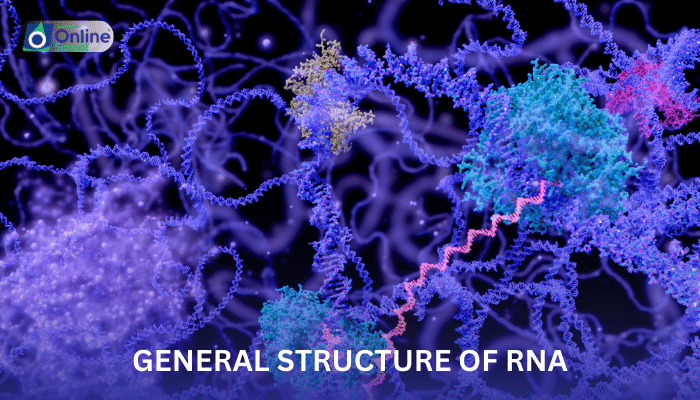
While DNA holds the blueprint of life, its close companion, ribonucleic acid (RNA), plays a pivotal role in translating that blueprint into functional proteins. RNA, a single-stranded nucleic acid, shares a striking resemblance to its double-stranded counterpart, DNA, but with some crucial distinctions.
ii. Ribose: A Subtle Shift in Sugar: The fundamental building blocks of RNA and DNA are nucleotides, each composed of a sugar molecule, a nitrogenous base, and a phosphate group. However, the sugar molecules in these two nucleic acids differ subtly. RNA contains ribose, a five-carbon sugar with an extra hydroxyl (-OH) group compared to deoxyribose, the sugar found in DNA. This seemingly minor difference in sugar structure has significant implications for the stability and function of RNA molecules.
iii. Uracil: Replacing Thymine in the Genetic Code: The nitrogenous bases in RNA also differ from those in DNA. RNA contains the four bases adenine (A), guanine (G), cytosine (C), and uracil (U), while DNA contains A, G, C, and thymine (T). Uracil, found exclusively in RNA, replaces thymine in the genetic code. Uracil, like thymine, pairs with adenine.
iv. The Structural Implications of Ribose and Uracil: The presence of ribose and uracil in RNA contributes to its structural flexibility and dynamic nature compared to DNA. The extra hydroxyl group in ribose makes RNA more susceptible to hydrolysis, a chemical reaction that breaks down the sugar-phosphate backbone. This relative instability allows RNA to undergo structural changes and participate in various biological processes.
v. The Three Main Types of RNA: Each with a Unique Role
RNA exists in three primary forms: messenger RNA (mRNA), ribosomal RNA (rRNA), and transfer RNA (tRNA). Each type of RNA plays a distinct role in protein synthesis:
mRNA: The messenger, carrying genetic information from DNA to ribosomes for protein synthesis.
rRNA: The structural component of ribosomes, the protein-synthesizing machinery of cells.
tRNA: The amino acid carrier, delivering the correct amino acids to the ribosome during protein synthesis.
RNA, with its unique structural features and diverse roles, is an indispensable partner in the molecular choreography of life. Its ability to transmit genetic information, participate in protein synthesis, and regulate gene expression makes it a crucial component of cellular processes. RNA's versatility and dynamic nature underscore its significance in the intricate tapestry of molecular biology.
